Why the Slow Things Are Quietly Winning
Camilo Park
September 9, 2026
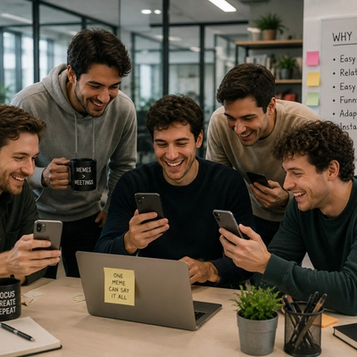
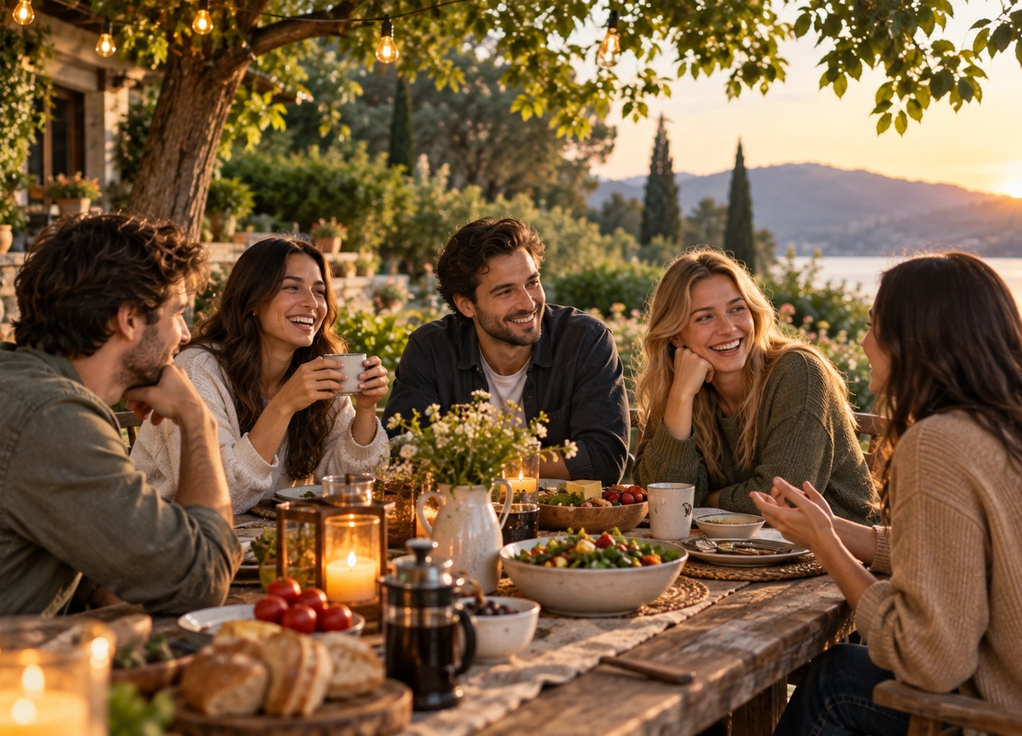
For years, faster has been treated as automatically better. Faster delivery, faster communication, faster entertainment, faster meals, faster results. We can order something in seconds, watch an entire television series in a weekend, reply to messages instantly, and fill almost every empty moment with something new. Speed has solved plenty of real problems, but it has also made slowness feel almost suspicious. Waiting seems inefficient. Taking your time can look unproductive. Yet some of the things people increasingly value most are moving in the opposite direction: long dinners, handmade objects, physical books, slow travel, running without a performance goal, cooking from scratch, gardening, and conversations that last longer than expected. The slow things are not disappearing. In many ways, they are becoming more valuable precisely because everything else has become so fast.
Speed has made attention more valuable
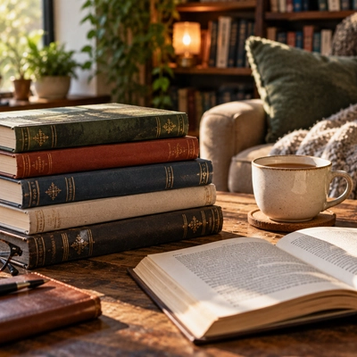
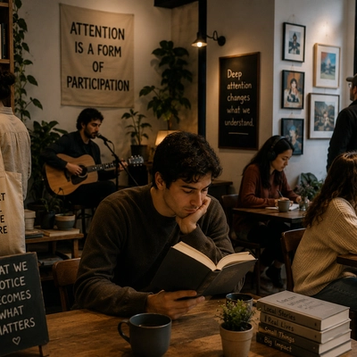
When information was difficult to access, having more of it felt useful. Now the problem is often the opposite. There is always another article, video, notification, message, recommendation, or piece of news waiting. We can move through enormous amounts of content without giving much of it our full attention. Slower activities create a different experience because they demand that attention instead of constantly competing for it. Reading a physical book requires staying with one thing. Cooking a meal from scratch keeps you involved in a process that cannot always be accelerated. Walking somewhere allows you to notice details that disappear when you are rushing through. The value is not simply that these activities take longer. It is that they give our attention somewhere to remain.
We are rediscovering the pleasure of process
Convenience is wonderful when the process itself is annoying. Few people want banking, airport security, or household administration to take longer than necessary. But sometimes efficiency removes the part we actually enjoyed. A meal is not always better because it arrives faster. A trip is not automatically better because we visit more places. A hobby does not need to produce something useful as quickly as possible. Slow activities remind us that the process can be part of the reward. Baking bread takes longer than buying it, but the waiting, shaping, smell, and satisfaction are part of why people do it. Gardening is an absurdly inefficient way to acquire a tomato, yet that is clearly not the point. When everything is evaluated by how quickly it produces an outcome, we can accidentally optimize away the experience itself.
Slow things often create stronger memories
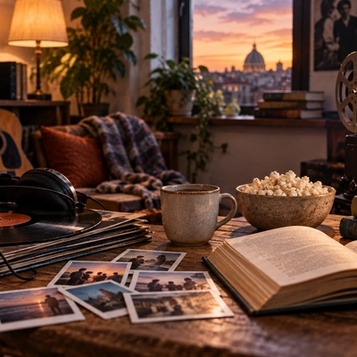
Think about the moments from the past year that you remember clearly. They are rarely the hours spent rapidly moving through emails or scrolling through dozens of pieces of content. Memory seems to attach itself more easily to moments when we were actually present. A long dinner with friends, a train journey through somewhere beautiful, an afternoon spent swimming, or a conversation that continued until late at night has texture. You remember details because you had time to notice them. Slower experiences give events room to become distinct from one another. When days are packed tightly and attention is constantly divided, weeks can pass while feeling strangely empty in retrospect. Slowing down does not literally create more time, but it can make the time we have feel less disposable.
Craftsmanship feels different in a world of instant everything
The easier it becomes to produce and replace things, the more noticeable care becomes. A handmade table, a beautifully bound book, a carefully prepared meal, or a piece of clothing designed to last can feel unusually satisfying because time is visible in the result. This does not mean handmade is always superior or that mass production is inherently bad. Affordable, efficient production has improved everyday life in countless ways. But when almost anything can be produced quickly, objects that clearly required patience acquire a different kind of value. We appreciate the evidence that someone paid attention. The same applies to creative work. A carefully researched essay, thoughtfully made film, or album that rewards repeated listening can stand out precisely because it does not feel designed to be consumed and forgotten immediately.
Slowness gives relationships room to deepen
Relationships are difficult to optimize because closeness is built through time that does not always appear productive. It happens during long drives, repeated dinners, ordinary mornings, walks, and conversations that wander far away from their original subject. You cannot efficiently compress years of familiarity into a weekend. Digital communication helps us maintain more connections, but the strongest relationships still tend to depend on sustained attention. Sitting across from someone without repeatedly checking a phone can now feel almost luxurious. Giving another person time without appearing to be in a hurry communicates something that speed cannot: you are worth staying for.
Slow does not have to mean inefficient
The point is not to reject technology, convenience, or speed. Some things should absolutely be fast. The useful distinction is between speeding up what we want to get through and speeding up what we actually want to experience. Automate the repetitive task. Take the faster train when the journey does not matter. Use the tool that saves an hour of administration. Then consider protecting the time that saving creates instead of immediately filling it with more activity.
The slow things are quietly winning because scarcity creates value. In a world where almost everything is designed to arrive instantly, patience feels different. Attention feels different. A long meal, a carefully made object, a book read without interruption, or an afternoon with nowhere else to be can feel almost rebellious. We spent decades learning how to make everything faster. Perhaps the next luxury is deciding which things were never meant to be rushed.