The Difference Between Discipline and Motivation
Camilo Park
August 28, 2026
Motivation gets most of the attention when we talk about changing our lives. We wait to feel motivated to exercise, start a project, save money, study, eat better, or finally deal with something we have been avoiding. When that feeling arrives, everything seems easier. The problem is that motivation is unreliable. It changes with mood, energy, stress, sleep, and whatever else is happening that day. Discipline is different. It is the ability to continue taking useful action even when the excitement has disappeared. You need both, but understanding what each one does can make the difference between starting something enthusiastically and actually staying with it.
Motivation helps you begin
Motivation is powerful because it creates energy. It is often what makes you sign up for the gym, buy the running shoes, open a savings account, apply for a course, or finally begin the project you have been thinking about for months. It gives you a clear picture of what could be different and makes the effort required to get there feel worthwhile. There is nothing wrong with using that feeling. The mistake is expecting it to remain at the same level indefinitely. The first workout feels exciting because it represents change. The twentieth workout may happen on a rainy morning when you slept badly and would rather stay in bed. Motivation naturally rises and falls, which means anything that depends entirely on it will probably rise and fall too.
Discipline keeps you going
Discipline becomes important when doing the thing no longer feels particularly exciting. It means following through because you decided something matters, not because you happen to feel inspired at that moment. This does not necessarily require extraordinary willpower. In everyday life, discipline often looks very ordinary: going for the planned walk, putting money into savings before spending it, working on an assignment for thirty minutes, or going to bed instead of watching another episode. Each decision may seem insignificant, but repeated decisions create results. Discipline is less dramatic than motivation because it rarely produces the emotional rush of beginning something new. Its power comes from repetition.
Discipline works better with systems
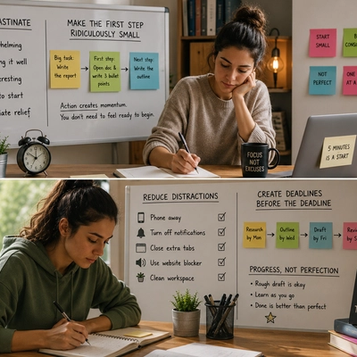
People often imagine discipline as forcing yourself to make the difficult choice over and over again. A better approach is to reduce how often that choice needs to be made. If you want to exercise in the morning, prepare your clothes the night before. If you want to save money, automate the transfer. If you want to spend less time on your phone, remove distracting apps from the home screen or keep the device out of reach while working. If you want to eat better, make the foods you want to eat easy to access. These systems do not eliminate the need for discipline, but they reduce the amount required. The most consistent people are not necessarily fighting themselves all day. Often, they have simply arranged their routines so the behavior they want is the easiest one to repeat.
Motivation can return after you start
One of the most useful things to understand about motivation is that you do not always have to wait for it. Sometimes action creates motivation rather than the other way around. You may have no desire to exercise, but after ten minutes you begin enjoying the workout. You may dread starting a piece of work, then become absorbed once the first paragraph exists. You may not feel like cleaning, but completing one small area creates enough momentum to continue. This is why starting with a tiny action can be so effective. Tell yourself you only need to walk for ten minutes, write for five, or tidy one surface. Discipline gets you through the beginning, and motivation sometimes catches up once you are already moving.
Discipline does not mean ignoring your limits
There is a version of discipline that sounds like never missing a day, never changing the plan, and pushing through regardless of how you feel. That may look impressive, but it is not always sustainable. Being disciplined also means knowing when to adjust. Resting when you are genuinely exhausted, changing a goal that no longer makes sense, or choosing a shorter version of a habit is not automatically a failure of commitment. The important distinction is between making a thoughtful adjustment and repeatedly abandoning something because it feels inconvenient. Sustainable discipline has flexibility built into it. If you cannot complete the full workout, do a shorter one. If the week becomes unusually busy, reduce the goal rather than dropping it completely.
You need motivation for direction and discipline for consistency
Motivation and discipline are not competing forces. Motivation helps you identify what you want and gives you the energy to begin moving toward it. Discipline turns that initial energy into something repeatable. Over time, habits can reduce the amount of both that you need. Once going for a morning walk, saving part of your income, or reading before bed becomes normal, you no longer have to make a dramatic decision each time.
The mistake is waiting to feel motivated before taking action. Some days you will feel excited about your goals, and other days you will not care about them nearly as much. Discipline allows both kinds of days to count. You do not need to wake up inspired every morning. You need a system that helps you continue when you do not. Motivation may get you through the door, but consistency is what determines how far you eventually go.