How to Travel on a Budget Without Feeling Like You Are
Riley Reyna
August 27, 2026
Budget travel has an image problem. It is often associated with uncomfortable flights, terrible accommodation, instant noodles, and spending an entire trip calculating whether you can afford another coffee. But traveling on a budget does not have to feel cheap. The biggest savings usually come from a handful of large decisions rather than denying yourself every small pleasure once you arrive. If you choose the destination, dates, accommodation, and transportation carefully, you can still eat well, stay somewhere comfortable, and spend money on experiences that actually matter to you. The goal is not to spend as little as humanly possible. It is to stop spending money on things that add very little to the trip.
Spend less before the trip begins
Some of the most important budget decisions happen before you leave home. Traveling outside peak periods, being flexible by a few days, comparing nearby airports, and booking transportation at the right time can save far more than skipping coffees once you arrive. Destination choice matters even more. The same budget can produce completely different trips depending on where you go. A week in an expensive capital during a major event will naturally require more compromises than a week somewhere with lower accommodation and food costs. Look at the total cost rather than being distracted by a cheap flight. A €30 ticket is not a bargain if hotels cost several hundred euros per night. Think about transportation, accommodation, meals, attractions, and local prices together before deciding whether a destination actually fits your budget.
Choose accommodation based on value, not price
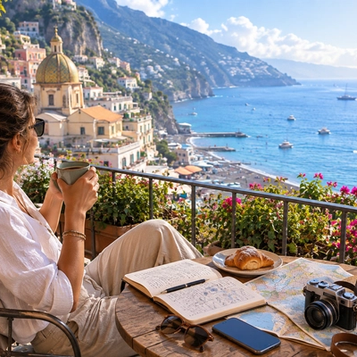
The cheapest room is not always the option that saves you the most money. A slightly more expensive hotel in a central, walkable neighborhood may eliminate daily transportation costs. An apartment with a kitchen can make sense for a longer stay because you can prepare breakfast and occasional meals. A hotel that includes a substantial breakfast might also reduce what you spend during the day. Consider what is included, where the property is located, and how you plan to use it. You do not necessarily need luxury, but comfort matters when you are traveling. Saving a small amount to stay somewhere inconvenient, noisy, or far from everything can make the entire trip feel like a compromise. Look for clean, well-reviewed accommodation in a useful location and save luxury stays for destinations or occasions where the hotel itself is part of the experience.
Eat well without making every meal expensive
Food is one of the easiest places to overspend while traveling, but it is also one of the worst places to cut back completely. Trying local food is part of experiencing a destination. Instead of avoiding restaurants, be selective about which meals deserve more of your budget. Lunch can often be better value than dinner, particularly where restaurants offer fixed menus or daily specials. Markets, bakeries, food halls, street stalls, and casual neighborhood restaurants can provide excellent local food without premium prices. You can also buy fruit, snacks, drinks, and breakfast items from supermarkets instead of repeatedly paying tourist-area prices. Then, when there is a restaurant you are genuinely excited about, spend the money without feeling guilty. One memorable dinner usually adds more to a trip than several expensive meals chosen simply because they were convenient.
Prioritize experiences you will actually remember
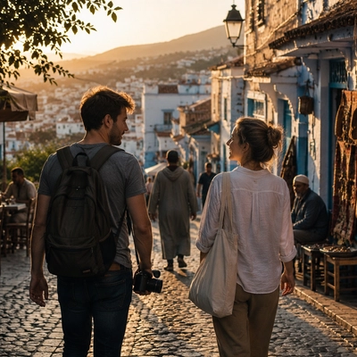
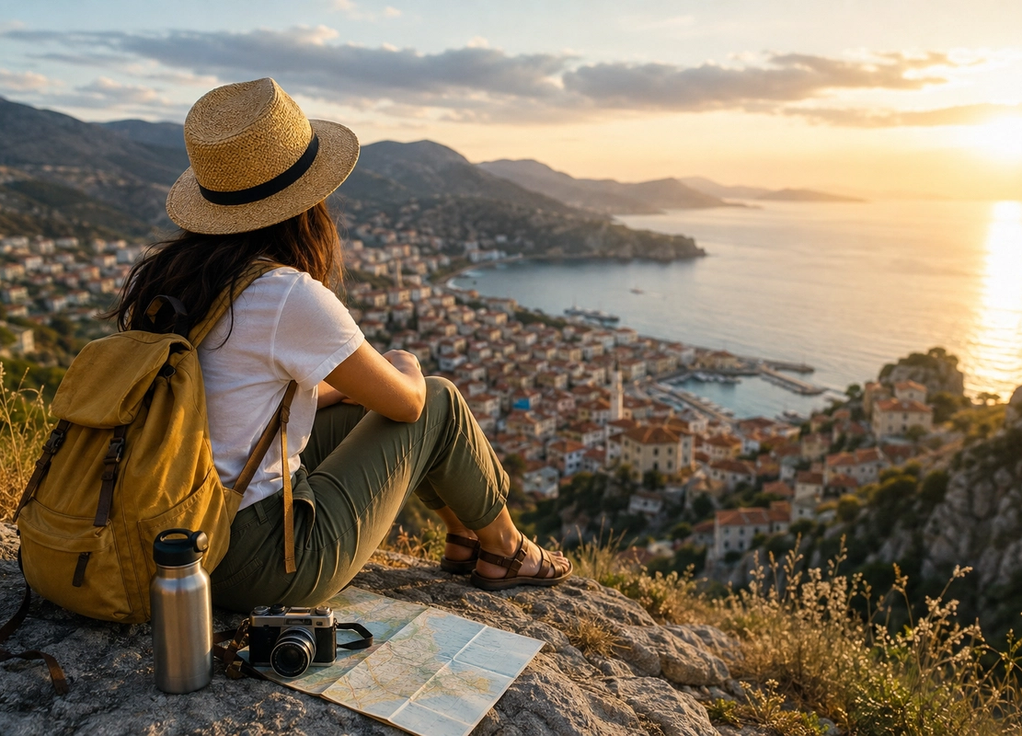
Travel budgets disappear quickly when you automatically pay for every attraction that appears on a “things to do” list. Before buying a ticket, ask whether you genuinely want the experience. You may happily spend money on a museum, concert, boat trip, cooking class, or guided tour while having little interest in another famous attraction nearby. That is fine. Choose the experiences that matter to you and skip the rest. Many destinations also offer excellent free experiences: parks, beaches, markets, viewpoints, historic neighborhoods, churches, walking routes, and public spaces can occupy entire days without costing anything. Free does not have to mean inferior. Some of the best travel memories come from wandering through a neighborhood, swimming in the sea, watching sunset from a viewpoint, or sitting in a busy square with nowhere else to be.
Avoid paying for convenience you do not need
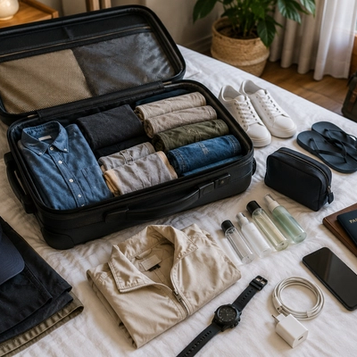
Small convenience costs can quietly become a significant part of a travel budget. Airport taxis, hotel minibars, baggage fees, currency exchange counters, roaming charges, and constantly buying bottled drinks can all add up. Some are worth paying for when they genuinely make the trip easier, but many can be avoided with a little preparation. Learn how public transportation works before arriving. Check baggage rules before packing. Bring a reusable water bottle where tap water is safe. Download offline maps and arrange mobile data in advance. At the same time, do not turn saving money into an inconvenience competition. Taking a taxi at midnight instead of navigating three buses with luggage may be worth every euro. Good budget travel means knowing when convenience is valuable and when you are simply paying extra because you did not plan ahead.
Save on what matters least and spend on what matters most
The easiest way to travel on a budget without feeling restricted is to decide what you personally care about. Someone who loves food might stay in a simple hotel and spend more on restaurants. Someone who loves beautiful accommodation might eat casual meals and choose fewer paid activities. Another traveler might prioritize business-class trains, guided experiences, or shopping. There is no universal category where everyone should save. Give yourself a few things you can spend on freely and reduce costs elsewhere. When your budget reflects your priorities, the trip stops feeling like a series of sacrifices. You are not constantly choosing the cheapest option; you are choosing where your money makes the biggest difference. That is what makes budget travel sustainable: spending less without making the experience itself feel smaller.