How to Travel Solo Without Being Lonely
Camilo Park
August 27, 2026
Solo travel can sound like the ultimate freedom until you imagine the quieter parts of it: eating dinner alone, having nobody beside you when something funny happens, or returning to your hotel after a full day without anyone to talk to about it. But traveling alone does not automatically mean feeling lonely. In fact, solo travel can be surprisingly social when you approach it with the right balance of independence and connection. The goal is not to fill every moment with people or avoid being alone altogether. It is to create a trip where time by yourself feels enjoyable while still giving yourself plenty of opportunities to connect with others along the way.
Get comfortable with your own company
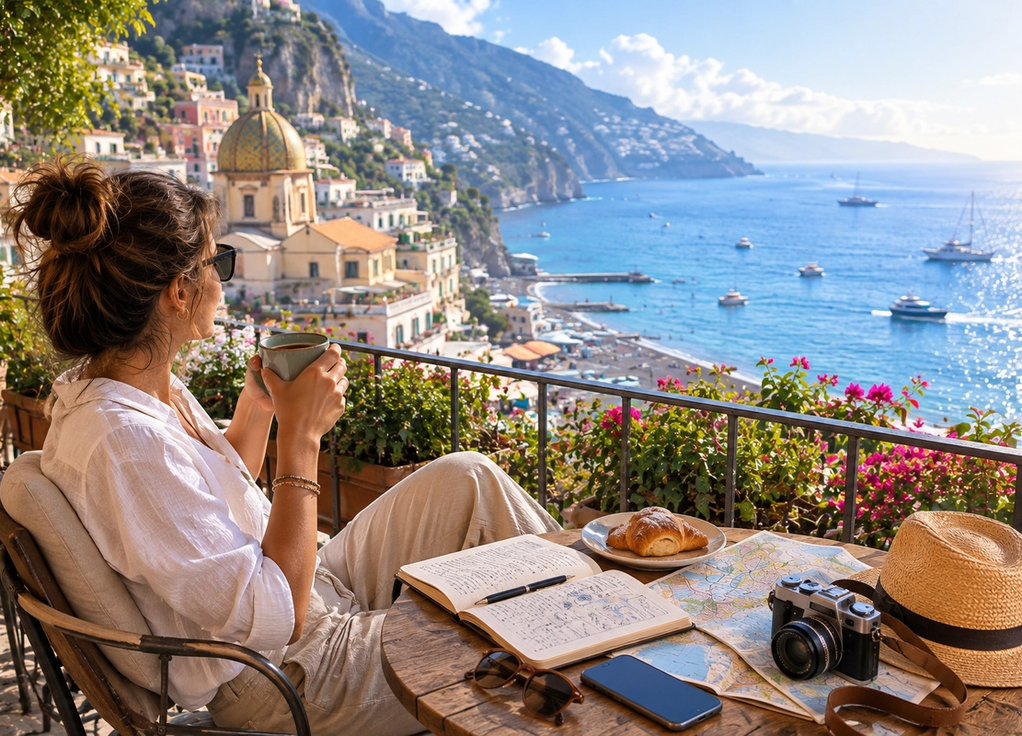
One of the biggest shifts in solo travel happens when you stop treating being alone as something unusual. At home, many activities are automatically considered social: going to a restaurant, visiting an exhibition, having coffee, or exploring somewhere new. When you travel alone, you quickly discover that none of these experiences actually require company. Start with things that already feel comfortable. Have breakfast alone before attempting a long dinner. Bring a book to a café. Put on a podcast while walking through a neighborhood. Spend an afternoon doing something you genuinely love without worrying whether another person is enjoying it too. Over time, being alone starts to feel less noticeable. You may even begin appreciating the freedom of not having to negotiate every decision, from what time to wake up to whether a museum deserves twenty minutes or three hours.
Put yourself in naturally social situations
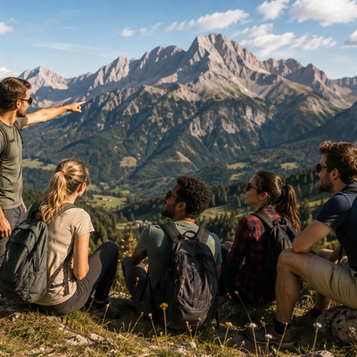
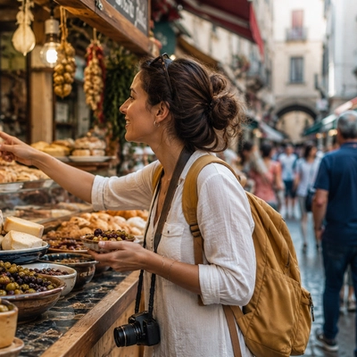
Meeting people while traveling is much easier when you choose environments where conversation happens naturally. Instead of expecting yourself to approach strangers in restaurants or cafés, sign up for activities where everyone already has a reason to interact. Walking tours, cooking classes, food tours, group hikes, workshops, language exchanges, and small day trips can all provide easy opportunities to talk to other travelers. Accommodation matters too. Hostels are an obvious choice, but you do not necessarily have to sleep in a shared dorm. Many hostels offer private rooms while still providing communal areas, organized activities, or group dinners. Small guesthouses and social hotels can offer a similar balance. Even choosing a seat at a restaurant bar rather than an isolated table can make casual conversation more likely. You do not need to make lifelong friends everywhere you go. Sometimes a good conversation with someone you never see again is enough to make a day feel connected.
Create small connections throughout the day
Connection does not always have to come from making new friends. Small interactions can make solo travel feel much warmer. Ask someone at a café what they recommend, talk to the person sitting beside you on a tour, or return to the same bakery a few mornings in a row. Familiarity develops surprisingly quickly when you are traveling alone because you notice these interactions more. Staying connected with people at home can help too. Send photos to friends, call your family while walking back to your hotel, or message someone when you experience something you know they would appreciate. The key is to use those connections as part of your trip rather than spending every quiet moment looking at your phone. Calling someone because you genuinely want to share your day can make you feel connected; endlessly scrolling because you are uncomfortable sitting alone often has the opposite effect.
Give your days enough structure
Completely unplanned days can sound wonderfully spontaneous, but too much empty time can sometimes make loneliness more noticeable. Give each day one or two anchors. It could be a museum ticket in the morning, a walking tour in the afternoon, a restaurant you want to try, or simply a neighborhood you plan to explore. Having something to look forward to creates momentum without turning the trip into a strict schedule. It also helps to think about evenings in advance, since this is often when solo travelers feel the absence of company most strongly. You might book a food tour, go to the cinema, find a restaurant with counter seating, attend a performance, or choose accommodation with a comfortable common area. You do not have to stay busy every evening, but having options prevents you from automatically retreating to your room simply because you are unsure what else to do.
Build the trip around what you actually enjoy
One of the greatest advantages of traveling alone is that there is nobody else whose preferences you have to accommodate. Use that freedom. If you love museums, spend hours inside them. If you would rather sit by the sea than visit another landmark, do that instead. Wake up early for sunrise or sleep until ten. Eat street food for dinner three nights in a row if that makes you happy. Solo travel becomes lonely much faster when you are following an itinerary based on what you think a trip is supposed to look like rather than what you genuinely enjoy. When your days are filled with places and experiences that interest you, being alone becomes much less important. You stop thinking about the absence of a travel companion because you are too busy enjoying where you are.
Let loneliness be part of the experience
Even the best solo trip can include lonely moments. You might sit at a beautiful viewpoint and wish someone you love were there, or see groups of friends laughing over dinner and suddenly feel very aware that you are alone. That does not mean the trip is going badly. Traveling with other people has difficult moments too; they simply look different. Instead of panicking when loneliness appears, acknowledge it and decide what you need. Maybe you need to call someone, join an activity, spend an evening somewhere lively, or simply get a good night’s sleep. Often the feeling passes quickly. And somewhere between those occasional lonely moments, something else happens: you realize you can arrive somewhere completely unfamiliar, build days you enjoy, meet people when you want company, and feel perfectly comfortable exploring on your own. That confidence is one of the best things solo travel can give you.