How to Cook a Restaurant-Quality Meal at Home
Camilo Park
August 27, 2026
Restaurant food often seems impossible to recreate at home. The flavors are deeper, vegetables have better texture, meat develops a proper crust, and even simple dishes somehow taste more complete. Professional kitchens certainly have equipment and experience that most home cooks do not, but the difference is not always complicated technique. Restaurants tend to pay closer attention to a few fundamentals: ingredient quality, heat, seasoning, texture, and finishing. You do not need to turn your kitchen into a professional one to borrow those habits. A restaurant-quality meal at home is usually less about cooking something complicated and more about doing a few simple things particularly well.
Choose a simple dish and buy good ingredients
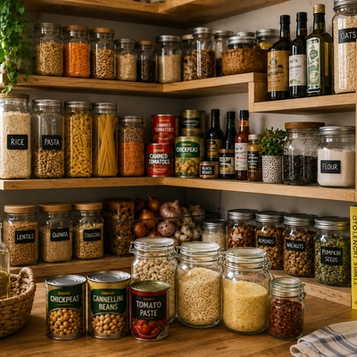
If you want an impressive result, resist the temptation to choose the most complicated recipe you can find. Restaurants often make simple dishes memorable because the individual ingredients are good and each component is prepared carefully. A perfectly cooked piece of fish with potatoes and a bright sauce can feel more special than an ambitious dish involving fifteen techniques you are trying for the first time. Start with ingredients that look and taste good. Fresh herbs, ripe seasonal vegetables, good-quality olive oil, fresh bread, and a protein you genuinely enjoy can do much of the work for you. You do not need to buy the most expensive version of everything. Spend more where quality will be noticeable and keep the rest simple. When a dish contains only a few ingredients, each one matters more.
Learn to use enough heat
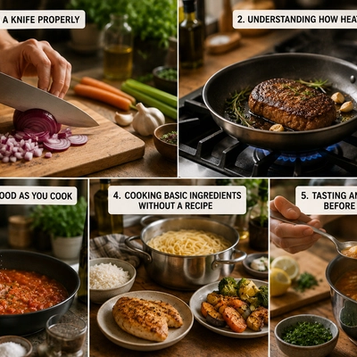
One of the biggest differences between restaurant and home cooking is confidence with heat. Home cooks often turn the temperature down because they are worried about burning something, then wonder why meat looks pale or vegetables become soft instead of browned. Proper browning creates flavor. Preheat the pan before adding ingredients, avoid overcrowding it, and give food enough uninterrupted contact with the surface to develop color. If you are cooking steak, chicken, mushrooms, or vegetables, constantly moving everything around can prevent that crust from forming. At the same time, higher heat is not always better. Delicate sauces, eggs, and certain proteins need gentler cooking. The real skill is learning when to use intense heat and when to lower it. Pay attention to sound, smell, and appearance rather than relying entirely on a timer.
Season throughout the cooking process
Restaurant food rarely gets all of its seasoning from a final sprinkle of salt. Flavor is usually built gradually. Season ingredients as you cook and taste whenever it is safe to do so. Salt pasta water, season vegetables before roasting, and check sauces before serving. Then think beyond salt. Acidity is one of the easiest ways to make home cooking taste more polished. A squeeze of lemon, splash of vinegar, or spoonful of something pickled can wake up a dish that tastes heavy or flat. Fresh herbs can provide brightness, while butter, olive oil, cheese, or another source of fat can add richness. Good cooking often comes down to balancing salt, fat, acidity, sweetness, and heat until nothing dominates unnecessarily. If something tastes almost right but slightly dull, the solution may be a tiny adjustment rather than another complicated ingredient.
Pay attention to texture
A memorable dish usually has more than one texture. A creamy soup becomes more interesting with toasted seeds or croutons. Soft pasta benefits from properly cooked vegetables or crisp breadcrumbs. A tender piece of fish might be served with crunchy potatoes and a smooth sauce. Restaurants think carefully about these contrasts because texture makes food feel more complete. You can do the same without adding much work. Toast nuts before sprinkling them over a dish. Keep roasted vegetables in the oven long enough to develop crisp edges. Add fresh herbs after cooking rather than letting all of them disappear into a sauce. Even something as simple as finishing pasta with toasted breadcrumbs can change the entire experience. When planning a meal, think not only about how everything will taste but also about whether every component will feel soft, creamy, or similar.
Make one element feel special
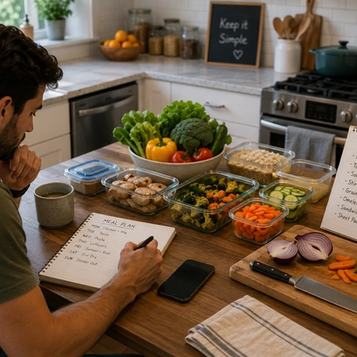
You do not need every part of dinner to be elaborate. Choose one element that makes the meal feel different from an ordinary weeknight dinner. It might be a homemade sauce, perfectly roasted potatoes, a beautiful salad, freshly baked dessert, or a particularly good main ingredient. Let everything else support it. This makes cooking more manageable and allows you to concentrate on getting one thing exactly right. Restaurants work through preparation and timing, and you can borrow that approach too. Chop vegetables, make dressings, prepare garnishes, and measure ingredients before you begin the final cooking. If several components need attention at once, decide what can be made earlier and what genuinely needs to be served immediately. Good preparation makes the final ten minutes much calmer.
Finish and serve the meal with intention
The final minute can make a surprisingly large difference. Before serving, taste everything one last time. Adjust the seasoning, add a little lemon if needed, wipe unnecessary splashes from the edge of the plate, and add any fresh herbs or garnishes at the end. You do not need complicated restaurant plating. Use a plate that gives the food enough space and avoid piling every component on top of everything else. Serve hot food while it is actually hot, and warm plates beforehand if the dish cools quickly. Then sit down and enjoy it rather than immediately analyzing everything you could have done differently.
Restaurant-quality cooking is not about making dinner unnecessarily complicated. It is about treating ordinary ingredients with more attention. Use good produce, control the heat, season in stages, create contrast, prepare ahead, and finish carefully. Once those habits become familiar, even something as simple as roast chicken, vegetables, and a good sauce can feel like the kind of meal you would happily order again.