The Difference Between a Good Home Cook and a Great One
Miriam Baker
August 27, 2026
A good home cook can follow a recipe and put a delicious dinner on the table. A great one can look at the same recipe, notice that the onions need another five minutes, realize the sauce needs acidity rather than more salt, and change the plan when an ingredient is missing. The difference is rarely a collection of complicated techniques. Great home cooks simply develop a stronger understanding of what is happening to food as they prepare it. They pay attention, taste constantly, and trust their senses more than the instructions in front of them. Eventually, cooking becomes less about reproducing recipes and more about knowing how to make food taste good.
They taste instead of simply following instructions
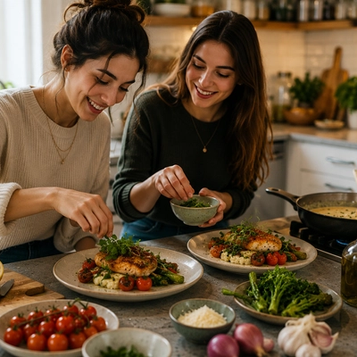
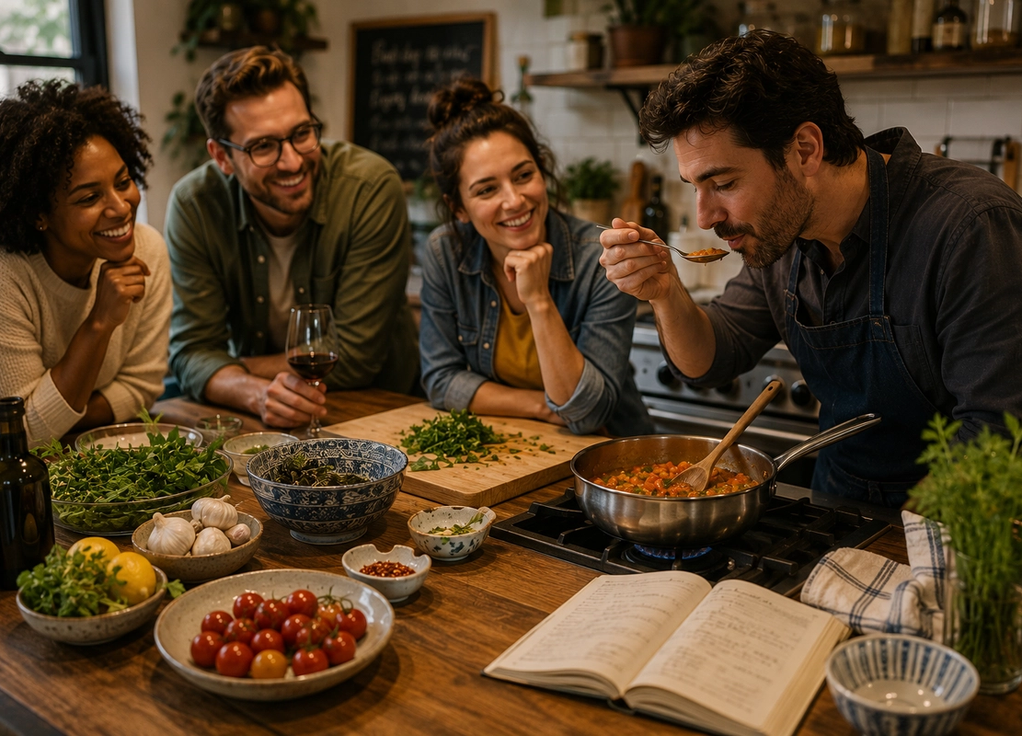
Recipes provide measurements, temperatures, and cooking times, but ingredients are never completely identical. One lemon may be much more acidic than another. Tomatoes can be intensely sweet in summer and disappointingly bland in winter. A stock may already contain plenty of salt, while another needs significant seasoning. Great home cooks understand that a recipe cannot account for every variation. They taste throughout the cooking process and adjust accordingly. If a sauce tastes flat, they consider whether it needs salt, acidity, sweetness, richness, spice, or simply more cooking time. They make small changes, taste again, and continue until the flavors feel balanced. This habit gradually builds intuition because every adjustment teaches you something about how ingredients behave.
They understand heat
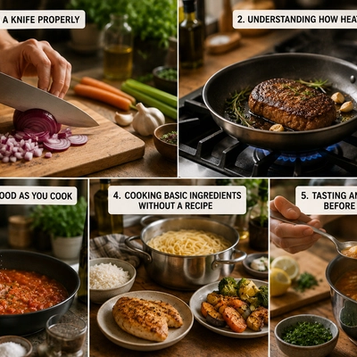
Good cooks know how long something is supposed to cook. Great cooks know what they want the heat to accomplish. They understand that a crowded pan can trap moisture and prevent browning, that meat often needs to be left alone long enough to develop a crust, and that garlic can go from fragrant to burned surprisingly quickly. They also know when lower heat is the better choice. Eggs, delicate sauces, and certain proteins benefit from patience rather than intensity. Instead of blindly setting the stove to medium because a recipe says so, experienced cooks watch what is happening in the pan. They listen to the sizzle, notice whether something is browning too quickly, and adjust the temperature as necessary. Learning to control heat is one of the moments when cooking begins to feel much less unpredictable.
They know when to leave food alone
One of the hardest cooking skills is surprisingly passive: knowing when not to do anything. Beginners often stir constantly, flip food repeatedly, open the oven door every few minutes, or move ingredients around because it feels like cooking should involve continuous action. Great cooks are comfortable waiting. They let onions slowly soften and caramelize instead of rushing them. They allow vegetables to develop browned edges. They leave a piece of meat in contact with the pan long enough to form a crust. They also understand the importance of resting food after cooking. Sometimes the best thing you can do for a dish is stop touching it. Experience teaches you which moments require attention and which require patience.
They build flavor in layers
Great cooking rarely depends on one dramatic ingredient added at the end. Flavor is usually created throughout the process. Aromatics are cooked until fragrant, spices may be toasted, vegetables are allowed to brown, and sauces are given enough time to reduce. Ingredients are seasoned at different stages rather than receiving all their salt immediately before serving. Great home cooks also think about balance. Rich dishes often benefit from something acidic. Soft dishes can become more interesting with something crunchy. Heavy flavors might need fresh herbs or citrus to brighten them. These small decisions are why a simple meal prepared by an experienced cook can taste more satisfying than a complicated recipe prepared without attention to detail.
They can recover when something goes wrong
Things go wrong in every kitchen. A sauce becomes too thick, vegetables cook faster than expected, an ingredient is missing, or dinner needs to be ready twenty minutes earlier than planned. Great home cooks are not people who never make mistakes. They are people who know how to respond to them. A sauce can often be loosened with water or stock. Something too salty may be balanced by adding more unsalted ingredients. A missing vegetable can often be replaced with another that behaves similarly. If one part of the meal fails completely, they simplify the plan instead of allowing the entire dinner to collapse with it. This flexibility comes from understanding the purpose of ingredients rather than memorizing recipes exactly.
They cook for people, not perfection
Perhaps the biggest difference is that great home cooks understand what home cooking is actually for. The goal is not to reproduce restaurant plating or impress everyone with increasingly complicated dishes. It is to make food people want to eat. Great cooks notice what their family and friends enjoy, remember which dishes disappear first, and understand when simplicity is better than ambition. They know that perfectly roasted potatoes can be more exciting than an elaborate side dish nobody particularly wanted. They also become comfortable repeating meals. Instead of constantly chasing new recipes, they refine dishes over time until they know exactly how they like them.
Becoming a great home cook is mostly a process of paying attention. Taste more often. Watch how ingredients respond to heat. Notice what changes when you add acid, salt, fat, or time. Learn from meals that do not work as much as the ones that do. Eventually, you stop needing instructions for every decision because you understand what the food in front of you needs. That quiet confidence, more than any complicated technique, is what separates someone who can cook from someone whose food people genuinely look forward to eating.